Category: Accessibility
-
Accessible Canva Creations
Canva is a graphic design platform widely used by both staff and students to create slides, infographics, posters, short videos, social media content, and visual learning resources. You need to create content that is accessible from the beginning of the process, but the good news is that Canva does include helpful accessibility tools to use along the way. This blogpost offers guidance…
Written by
-
Universal Design for Learning: Using Miro
Accessibility, All Articles, Digital Learning, Innovative Technology, Learning Design, Miro, Spotlight PostWelcome back to LCC’s Digital Learning team’s series on using digital learning platforms to help implement Universal Design for Learning principles in your teaching practice. In this post, our second in the series, we are focusing on using Miro. If you missed our first post on using Padlet, you can…
Written by
-
Learning Design Principles: Spotlight on Universal Design for Learning
Accessibility, All Articles, Digital Learning, Learning Design, Spotlight Post, Teaching and LearningHow can we create a learning environment that challenges and engages everyone? In this blog post, we’re going to take a closer look at the learning design principle of Universal Design for Learning, consider how this might help us in the areas of inclusivity and accessibility, and reflect on possible take-aways…
Written by

-
How to write user friendly content for online platforms
It is important to know your target audience when writing within an online environment. By knowing whom you are writing for, you can write at a level that will be meaningful for them. Students will visit your content with a task in mind, you need to write and structure your…
Written by

-
Create accessible documents using Apple Pages and Keynote.
What is digital accessibility? Digital accessibility means removing barriers to access in the digital world. Digital accessibility helps people understand digital documents, activities and platforms who have a range of disabilities, as well as assistive technology and neuro-divergent needs. For example, people with dyslexia often rely on clear headings, high…
Written by
-
Ally: Digital Accessibility in Moodle
Digital accessibility is an essential component for an inclusive approach to teaching online. As Moodle is a website it must align with WCAG 2.2 Level AA guidelines. Our learning material must be digitally accessible so that it can be used by everyone, especially disabled and neurodiverse students, approximately 25% of…
Written by
-
Colour Change
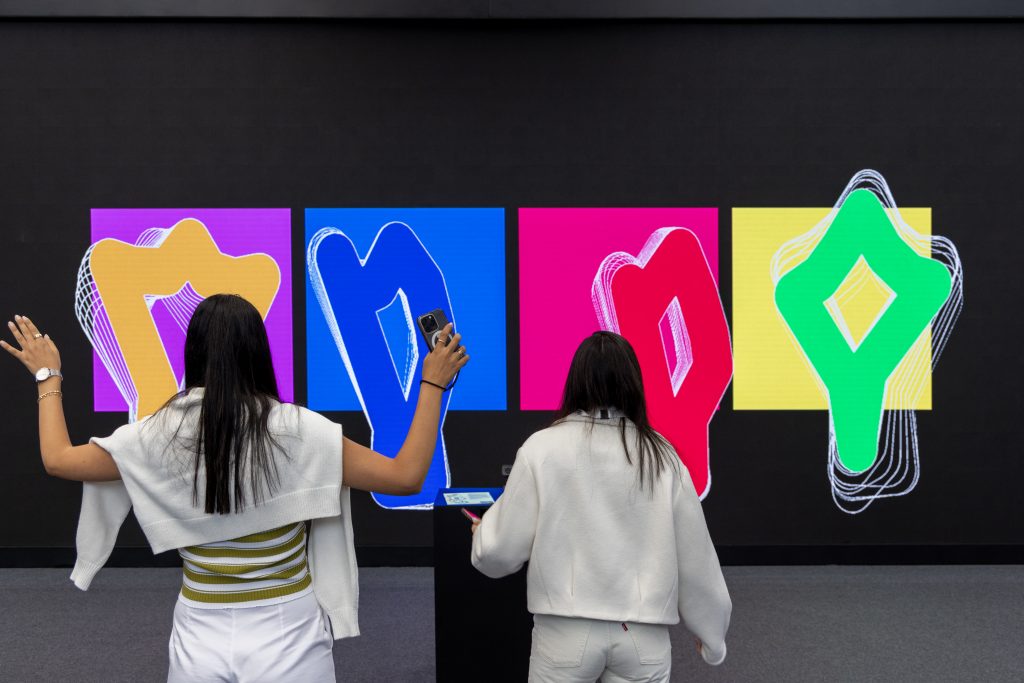
18.5% of students have declared a disability at UAL which is higher with the national figure of 16%. The number of people working in the creative industry who are neurodiverse is even higher with some reports doubling the figure to 32%. This is a 3rd of the work force that…
Written by
-
Make Accessibility a Habit: PDF Files
The predominant file type on Moodle is PDF. In 2021, there we as many as 10,821 PDFs on LCC Moodle sites alone, which is roughly equivalent to 16 PDFs per site! Providing we have carried out the accessibility checks and followed good practice with Word documents and PowerPoint presentation slides…
Written by
-
Make accessibility a habit: Power Point
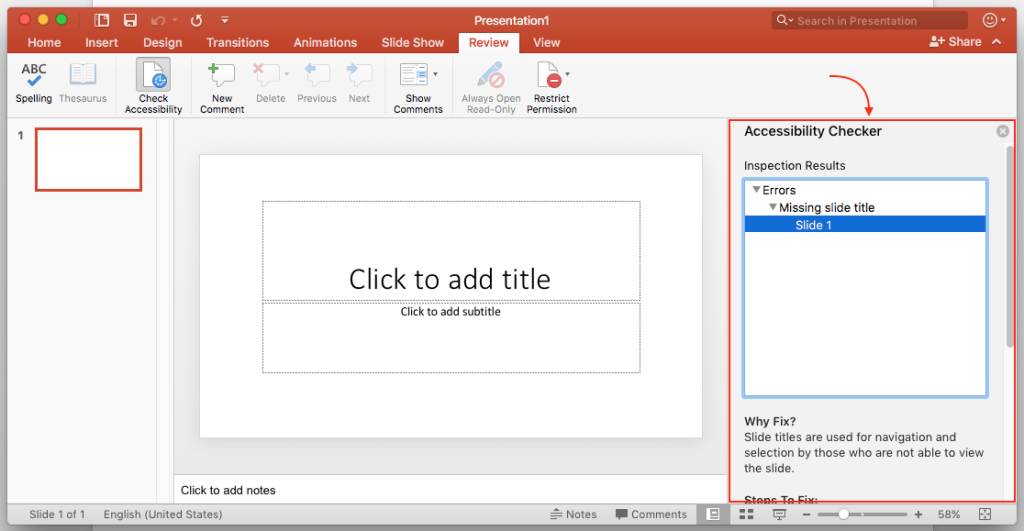
As with Word documents you ensure your PowerPoint presentations are accessible. If you follow a few simple guidelines during the design process your presentations will be easier to read and process for everyone. In this blog post we are going to look at the following; Font Size The recommended font…
Written by
-
Integrated Dictation Tools
Dictation or speech-to-text is an often forgotten about tool. If you or your students are visually impaired, or you find it useful to verbally express your thoughts or for notetaking, then it’s worth exploring dictation tools. It can also be used for giving formative feedback on word and presentation documents.…
Written by